




Sacramento’s underground infrastructure sits at the confluence of two rivers and the edge of the Sacramento-San Joaquin Delta, where a shifting water table complicates everything below the street. City of Sacramento Department of Utilities has spent years managing aging pipe across a metro that keeps expanding into low-lying, levee-protected land.
For engineers and contractors handling sewer rehabilitation across Sacramento, inflow and infiltration (I&I) has stayed a priority as the region works through wet-weather flow challenges tied to Sacramento and American River flood management. Recent atmospheric river events and continued scrutiny of the region’s levee system have kept pressure on a wastewater collection system that has to perform even as groundwater levels rise and fall with river conditions.
A Water Table That Moves With the Rivers
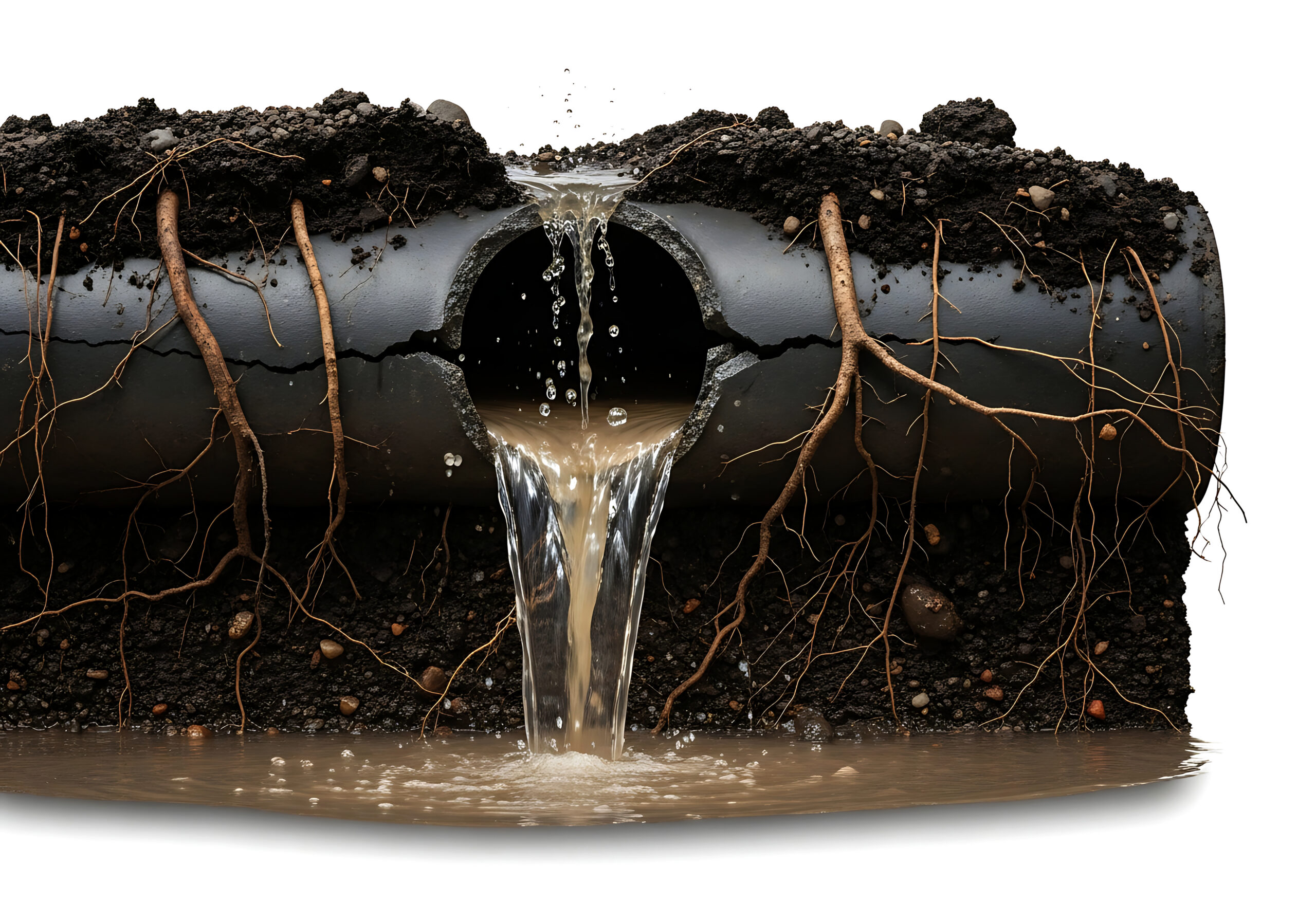
Cracked or broken pipes, leaking pipe joints, and deteriorated manhole walls and joints let groundwater into the sanitary sewer system. Sewer inflow takes a separate path, entering through roof drains, yard drains, and surface connections tied straight into the line.
A water table that moves with seasonal river flow keeps both problems active in a city sitting between two rivers. Sacramento’s older core neighborhoods sit close to the American and Sacramento rivers, and a wastewater collection system already carrying excess flow has little margin left once winter storms push river levels and groundwater up at the same time.
Why Delta Soil Complicates the Fix
Sacramento contractors rely on cured-in-place pipe (CIPP) to renew a deteriorated sewer main without tearing up busy corridors in neighborhoods like Midtown and Land Park, and the trunk line typically comes through structurally sound. What surrounds that trunk line depends heavily on how close it sits to the river.
Sacramento’s alluvial delta soils shift with seasonal groundwater changes tied to river stage, so a sewer main lined but infiltration persists is a pattern crews document often once they check laterals and connections in river-adjacent neighborhoods. A joint that held through a dry summer can separate once winter rains push the water table back up.
Common infiltration sources across Sacramento include:
- Deteriorated sewer laterals beneath older Midtown and Land Park properties
- Failed main-to-lateral connections stressed by seasonal groundwater fluctuation
- Cracked host pipe near American River and Sacramento River corridors
- Deteriorated manhole walls and joints near levee-adjacent districts
- Root intrusion in sewer pipes throughout Sacramento’s mature tree canopy
Reading a Water Table That Rises and Falls With River Stage
A single dry-season inspection tells engineers little in a city where the water table rises and falls with river stage. CCTV inspection and flow monitoring for I&I, paired with smoke testing and flow monitoring for source identification, is what actually confirms whether a leak sits at the main, the lateral, the connection, or the structure.
Once confirmed, the fix follows the finding: mainline CIPP for structural trunk-line deterioration, cured-in-place pipe lateral lining for a compromised service line, main-to-lateral connection rehabilitation where seasonal groundwater shift has separated a joint, manhole rehabilitation for a structure cracked by fluctuating water table pressure, and injection grouting for a small, active, localized leak.
Why This Matters for Municipal Sewer Budgets
The cost of pumping and treating unwanted groundwater keeps climbing as Sacramento utilities work to keep pace with a growing population settling into levee-protected, river-adjacent land. Sewer overflows during heavy rain carry real regulatory consequences, and excess flow at pump stations and treatment plants strains a system that already has to coordinate with regional flood control during major storm events.
Wastewater utility capacity management in Sacramento depends on treating the network as one connected system, not a set of isolated river-adjacent repairs. Specifying CIPP for municipal sewer projects handles the mainline, but rehabilitating public and private sewer laterals, connections, and manholes alongside it is what actually reduces wet-weather flows across a metro this exposed to seasonal river and groundwater fluctuation.
Sacramento’s growth keeps pushing further into delta-adjacent land. An I&I reduction program for municipalities here has to account for a water table that moves with the rivers, not a static condition.
Find a WRT-certified installer serving the Sacramento area to assess your collection system’s full scope of I&I sources.